
Engineering the Future of
Surface Protection
An international R&D and manufacturing company developing next-generation nano surface technologies for automotive, marine, industrial and household applications.
- 2012
- Founded
- 16
- Years of formulation and production experience
- 3
- Countries: production, R&D and office
- 78
- Products in 4 product groups
Surface Technologies Powered by Science
WetProof Global is an R&D and manufacturing company developing surface-protection technologies, with production in Maltepe, Istanbul, an R&D center in Ukraine and an office in the United States. Its technologies come to life in four product groups: automotive, surface coatings, industrial and home care.
Learn more
Our Solutions
WetProof technologies are applied through dedicated product families tailored to the needs of different industries.

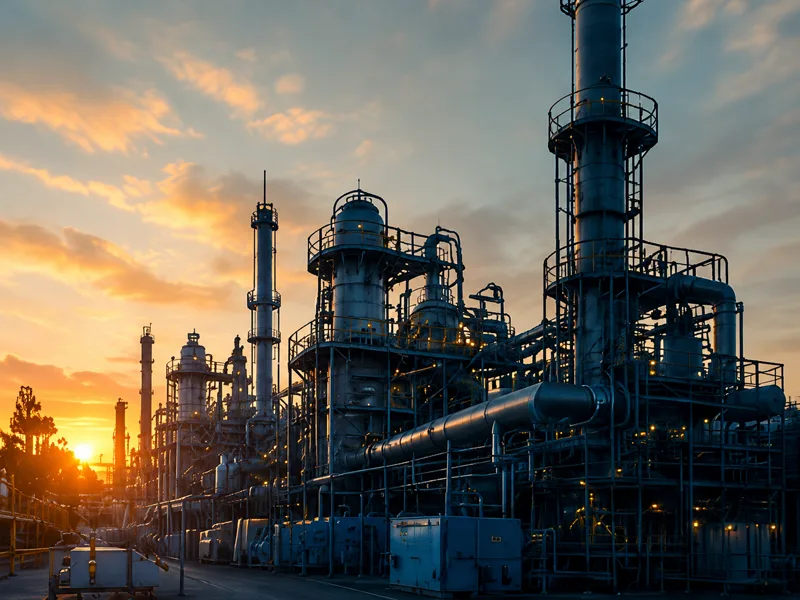

The Core Technologies We Develop
Combining science and engineering to shape the future of surface-protection technologies.


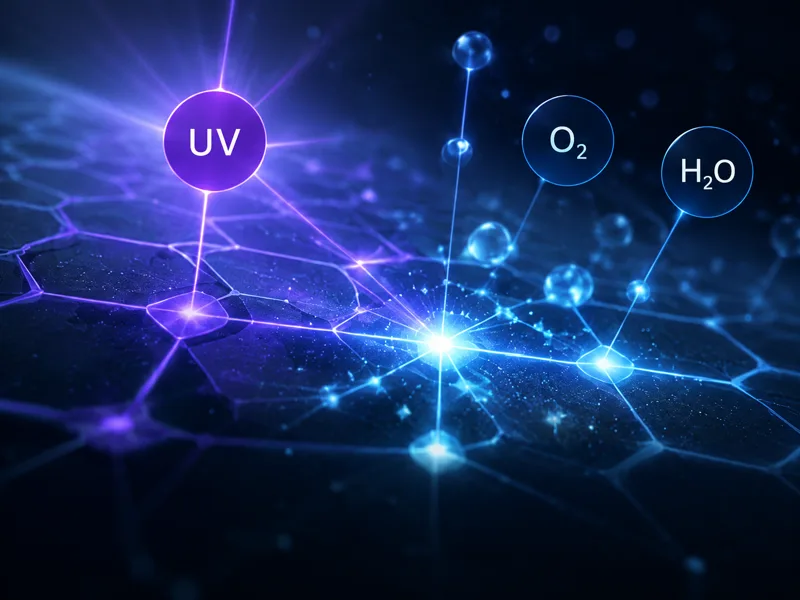
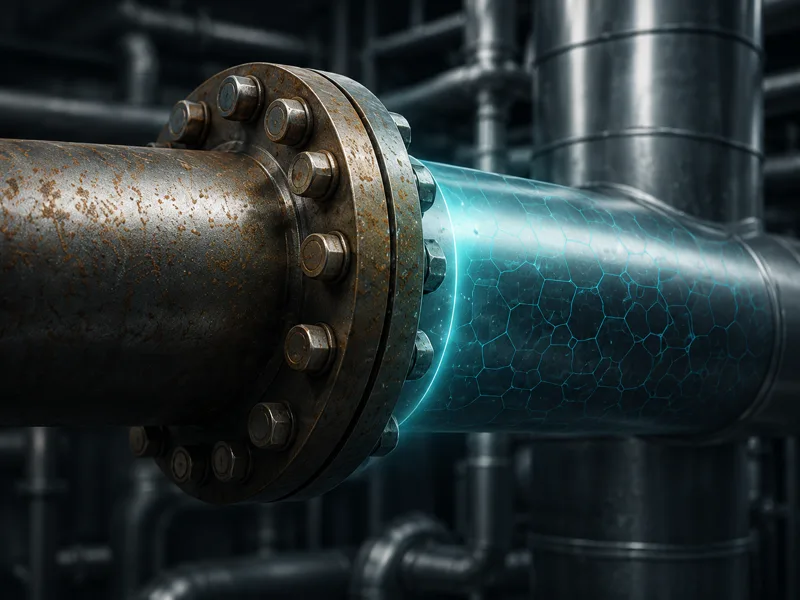
From molecule to market
End-to-end chemistry services that turn ideas into manufacturable, high-performance coatings.
01
Nanotechnology R&D
We develop next-generation surface-protection technologies, turning lab-scale ideas into real products.
02
Formulation Design
We design nano-coating formulas tailored to each application area, optimising performance, durability and applicability together.
03
Laboratory Testing
We validate critical parameters such as corrosion resistance, hydrophobicity, UV and chemical resistance and mechanical performance to international standards.
04
Pilot Production
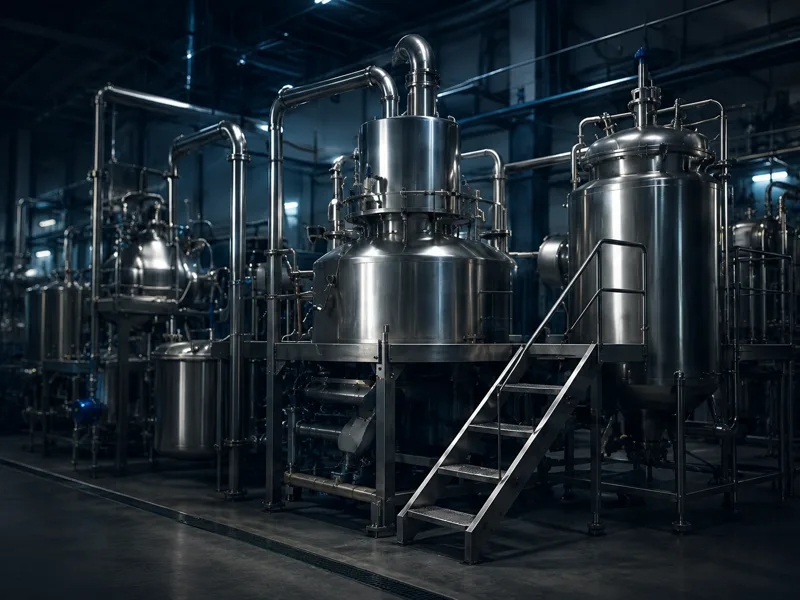
We take completed formulas into pilot production, optimising processes to make them ready for mass production.
05
OEM & Private Label
We develop professional coating solutions that global brands can sell under their own label.

06
Commercialization
We don’t just develop technology; we also support market launch, brand positioning and international growth.
Tested in Independent Laboratories
We back product performance with recognized standards and independent laboratory reports.
- EUROLABISO 4892
UV resistance
240 h, pass
Excalibur NanoFilm
- TÜV RheinlandISO 15184
Pencil hardness
9H
Excalibur NanoFilm
- TÜV RheinlandEN ISO 9227
Salt spray corrosion
360 h
Excalibur NanoFilm
- TÜV RheinlandEN ISO 9227
Salt spray corrosion
360 h, Rp 7
BionicA
- TÜV9H
Scratch resistance
9H, passed
Body Shell Guard
- SGSHV-22-07250
Coating thickness
Measured
Excalibur NanoFilm
Results summarize the respective laboratory reports and apply to the sample, method and conditions stated in each report.
Before & after, in the real world
Drag the slider to see the difference WetProof coatings make.
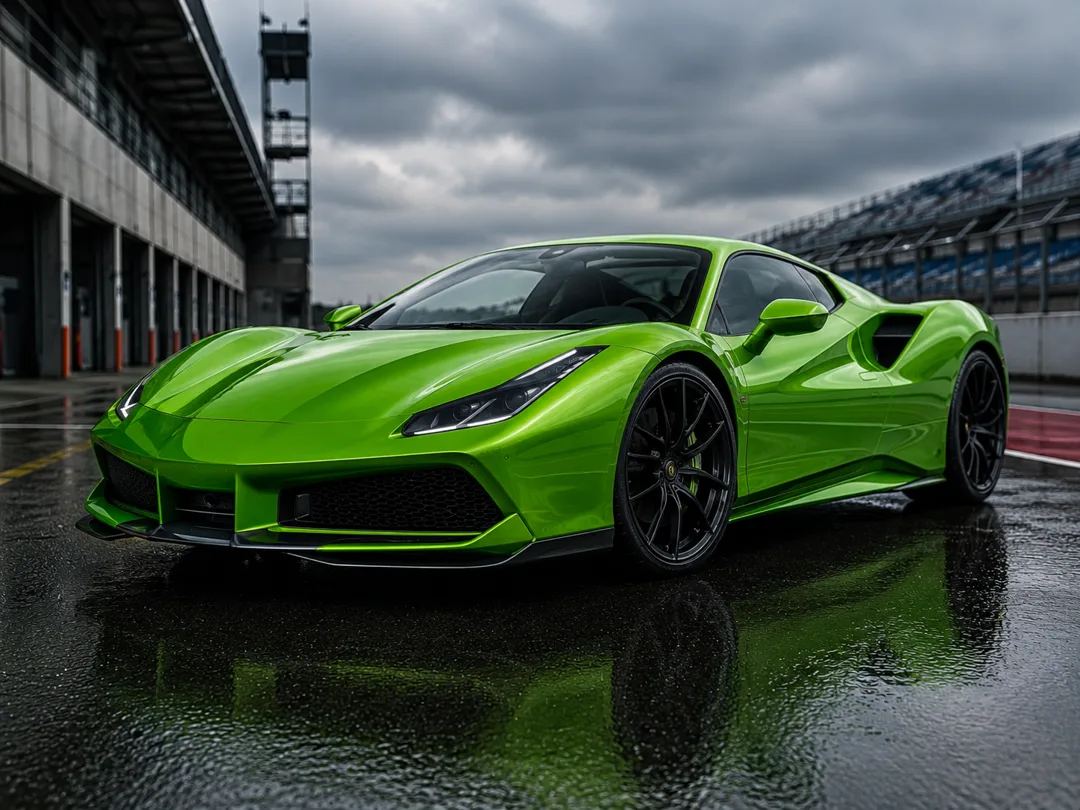 After
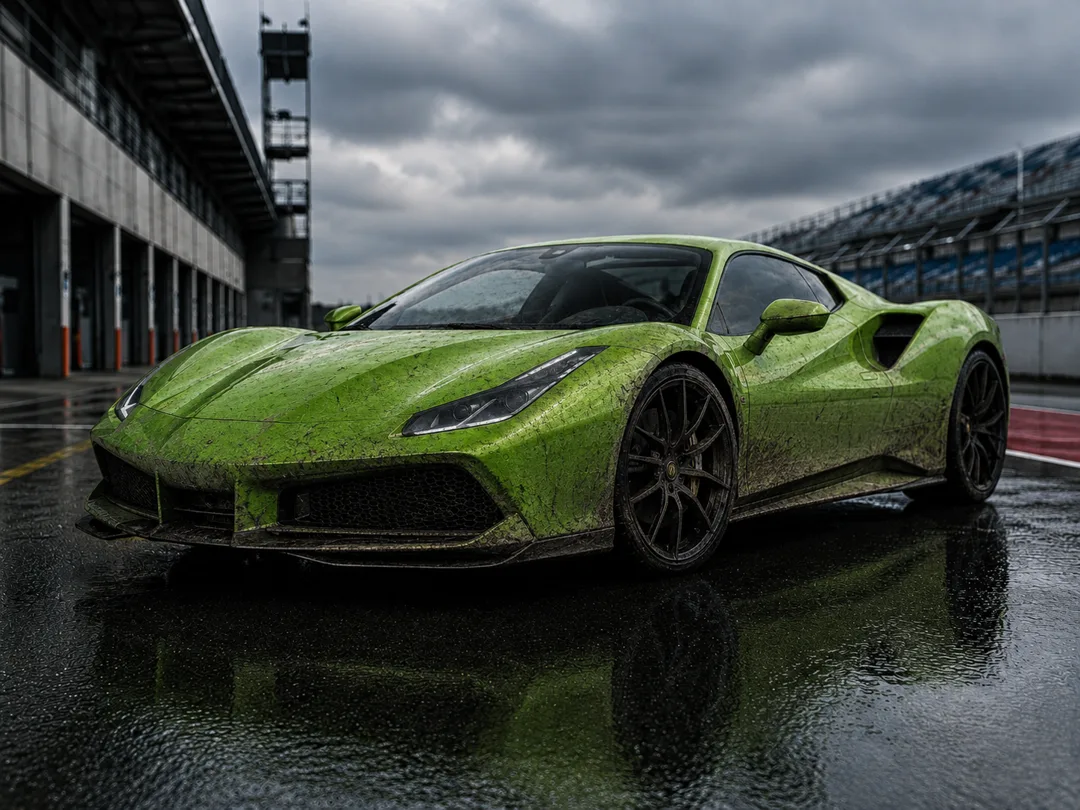
AfterTrack-day sports car, daily-driven finish
A high-performance coupe exposed to stone chips, brake dust and harsh washing. After Excalibur NanoFilm, the paint resists impacts and chemicals while staying deep and glossy.
Result: Impact & chemical resistance
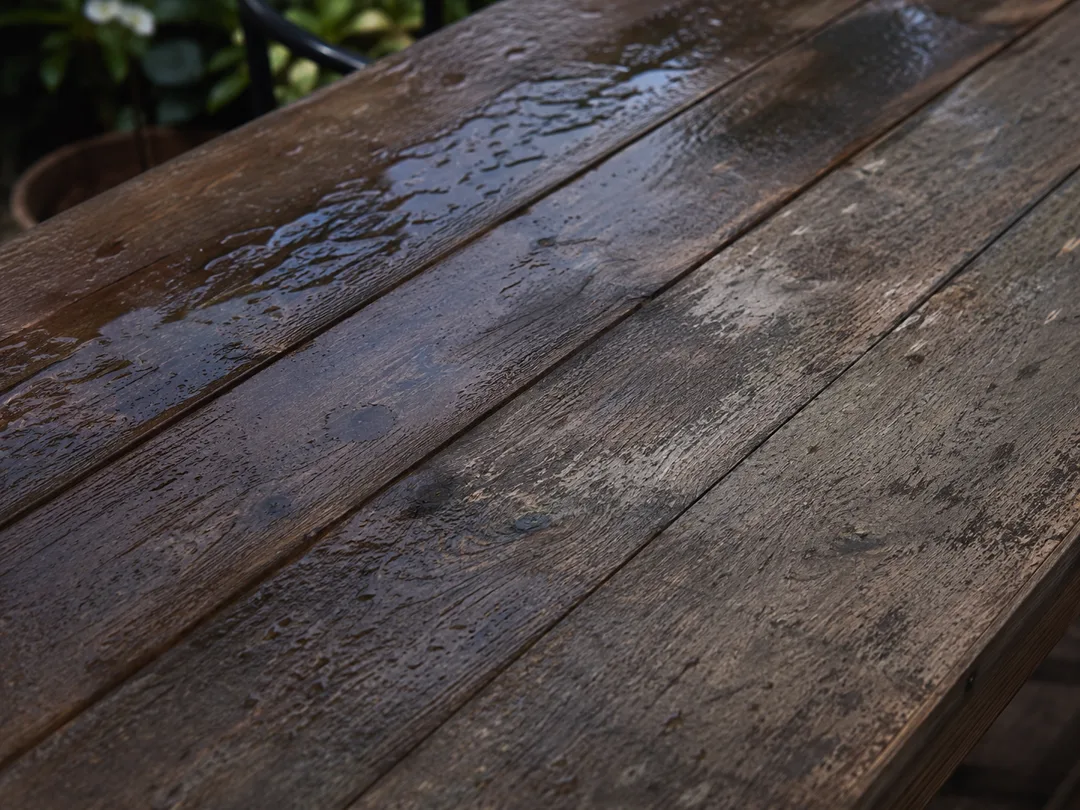
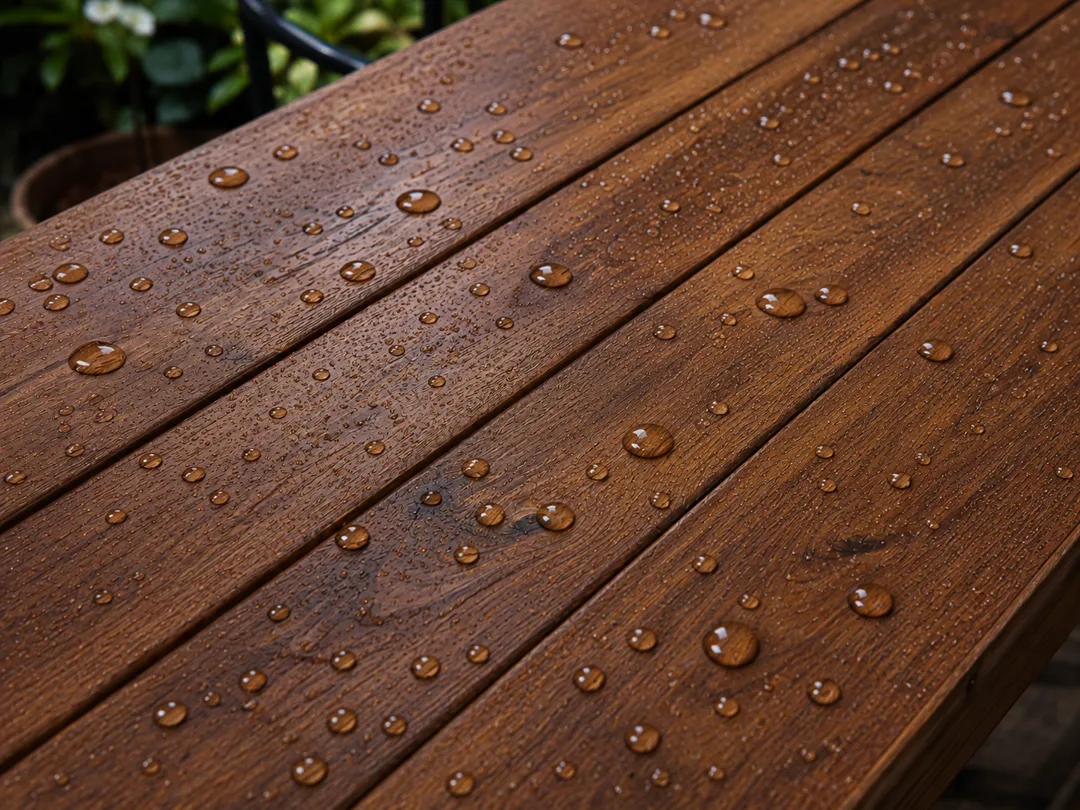 After
AfterWooden deck, sealed against rain and stains
Untreated wood absorbs water, grays out and stains easily. With WetProof Wood Coating, droplets bead off the grain and everyday spills wipe away without leaving a mark.
Result: Water & stain repellency
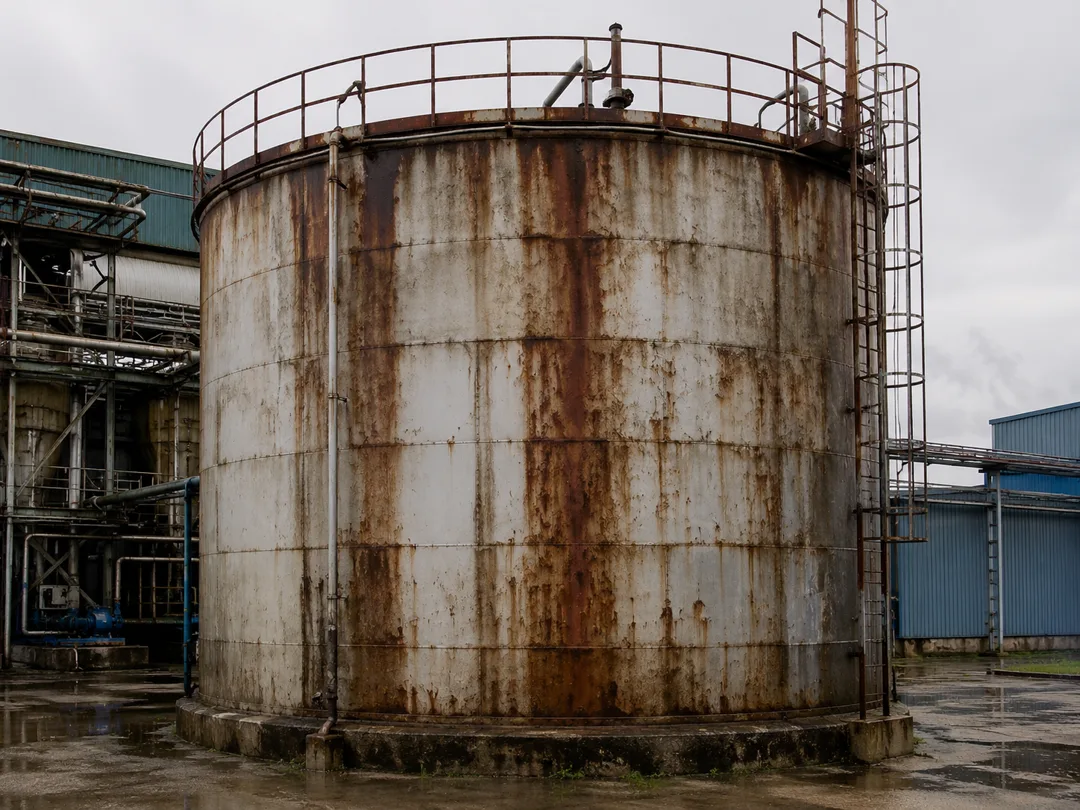
 After
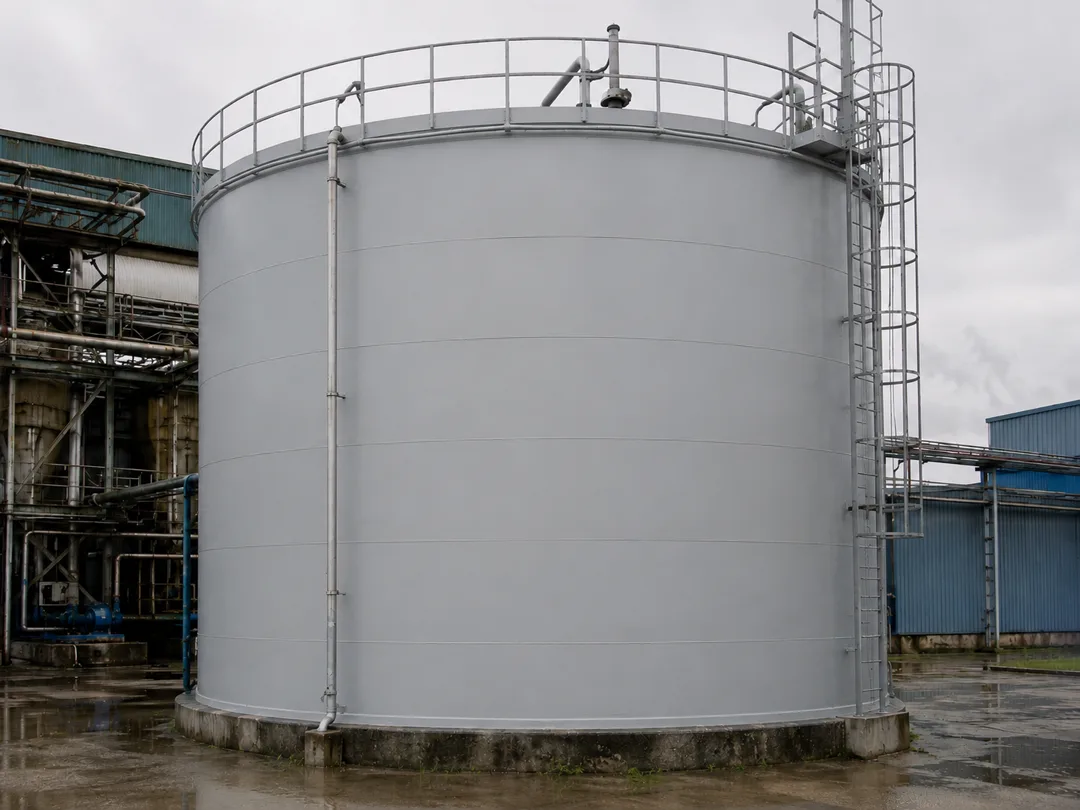
AfterIndustrial silo, shielded from corrosion
Metal silos face constant moisture, chemicals and temperature swings. WetProof Metal Coating adds a barrier against rust and corrosion, slowing deterioration and lowering maintenance costs.
Result: Corrosion resistance
 After
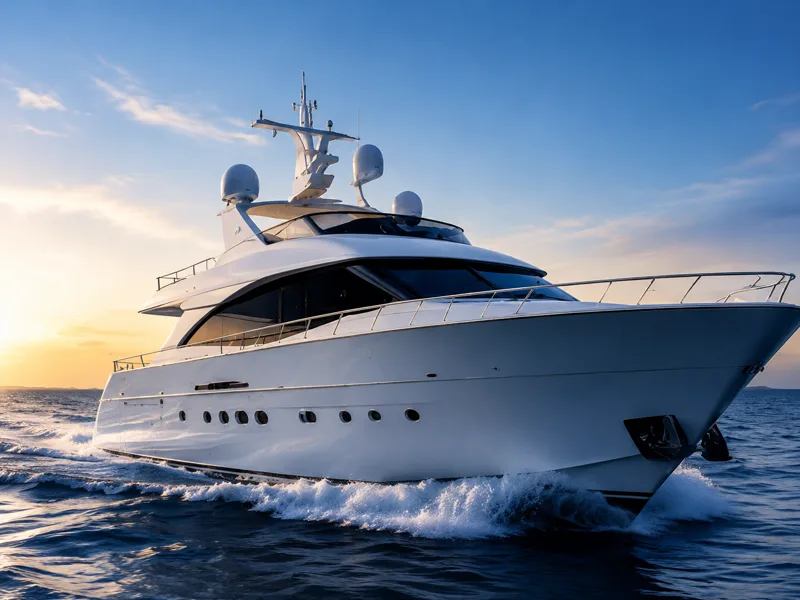
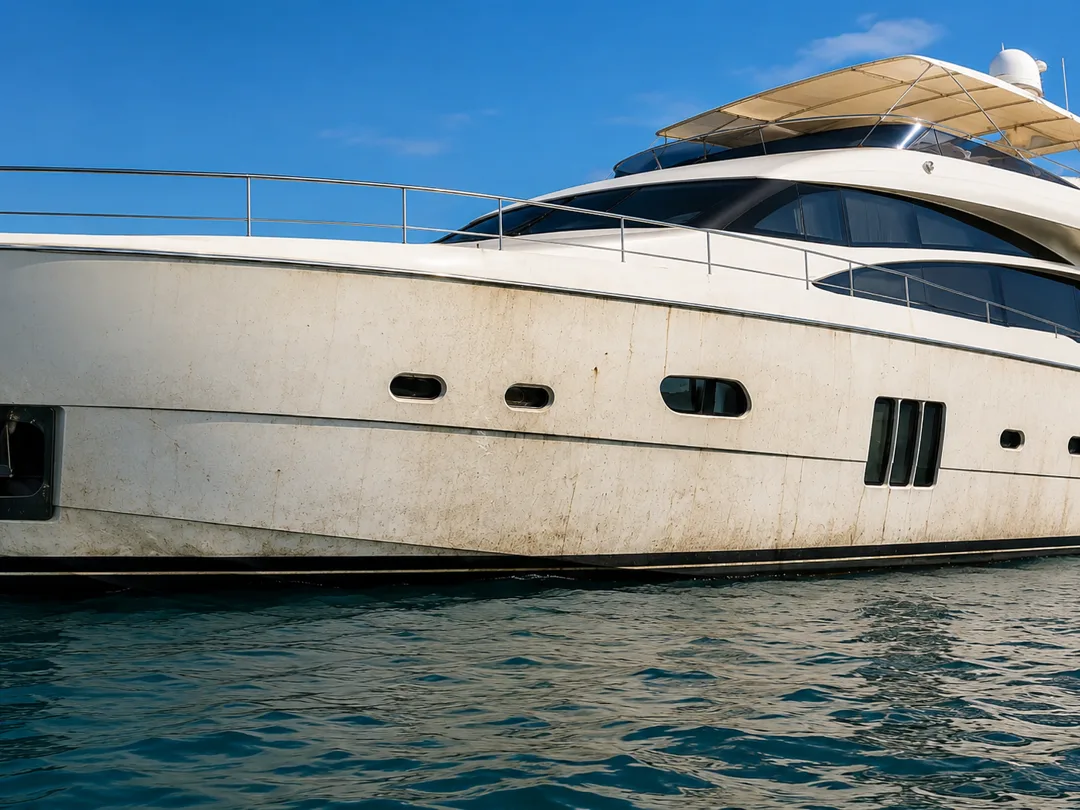
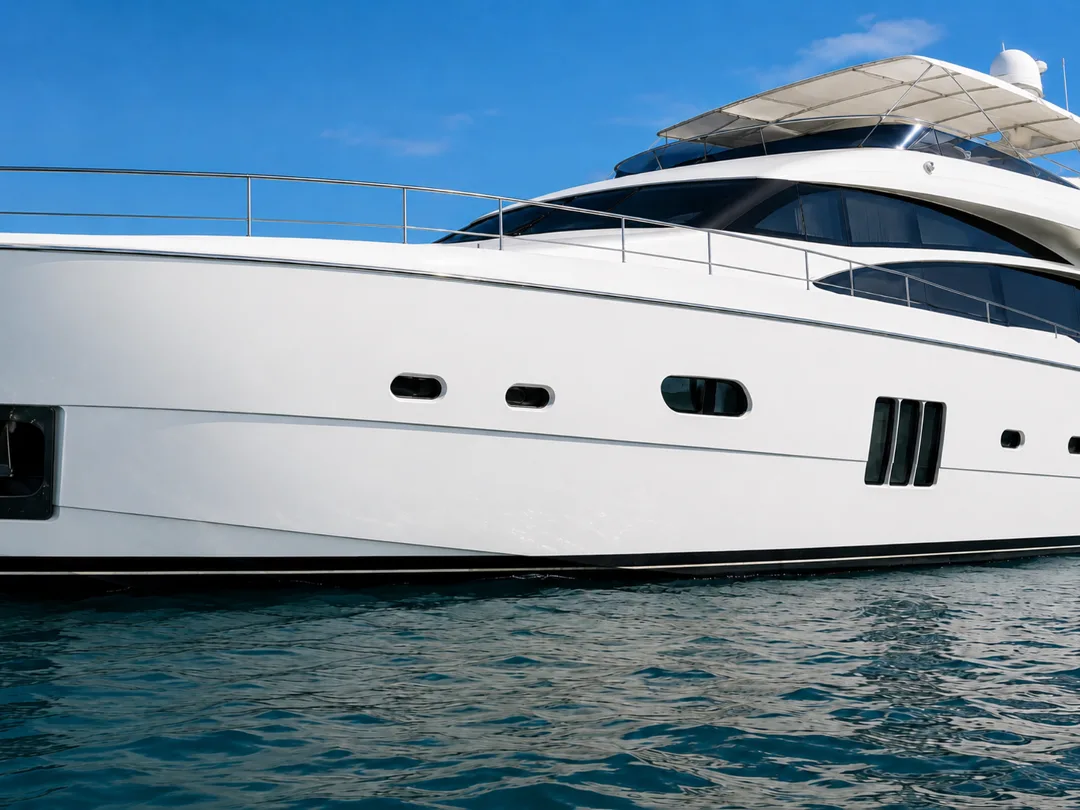
AfterYacht hull, less fouling and faster cleaning
Constant saltwater exposure leaves hulls stained and fouled. A hydrophobic WetProof coating keeps the hull cleaner, reduces drag and cuts wash-down time significantly.
Result: Reduced fouling & drag
Nanocoating questions, answered
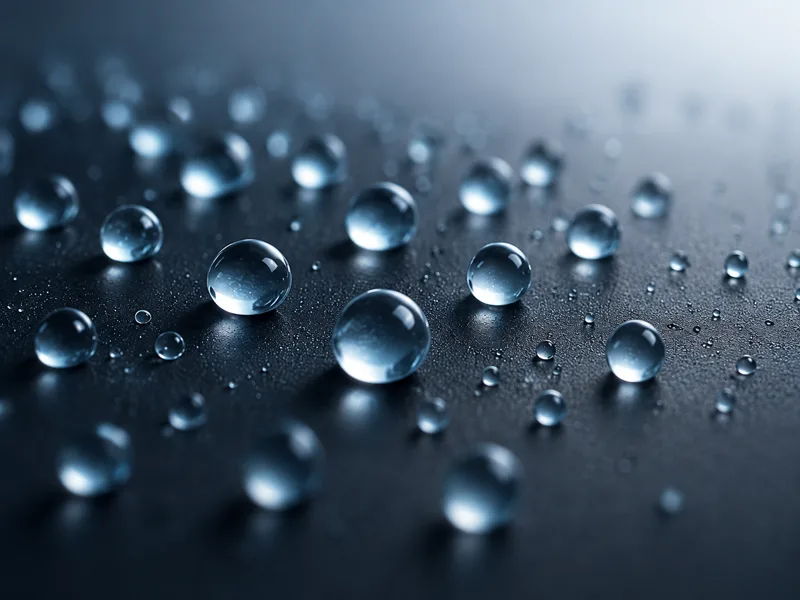
Both repel water, but the degree differs. A hydrophobic surface has a water contact angle above 90°, while a superhydrophobic surface exceeds 150°, repelling water so strongly that droplets roll off almost instantly and carry away dirt; the self-cleaning lotus effect.
A nanotechnology coating is an ultra-thin protective layer engineered at the nanometer scale that changes how a surface interacts with water, light, chemicals and wear, delivering properties such as water repellency, self-cleaning, UV resistance and self-healing.
The water contact angle measures how a droplet sits on a surface. A low angle (below 90°) means the surface is hydrophilic and water spreads out; a high angle (above 90°, and especially above 150°) means the surface is hydrophobic or superhydrophobic and water beads up.
Ready to protect what matters?
Talk to our team about coatings, distribution or certification.