The Future of Chemistry, Coming to Life on Surfaces.
WetProof develops next-generation protection solutions for a wide range of industries through functional coating systems built on advanced surface chemistry and nanotechnology.



Great Protection Starts at the Nano Scale.
Nanotechnology is the science of controlling matter at the atomic and molecular scale, giving materials physical and chemical properties that classic materials cannot offer.
One nanometer is a billionth of a meter. Structures engineered at this scale make it possible to control surface energy, hydrophobic behaviour, optical clarity, chemical resistance and mechanical durability.
We Turn Nanotechnology into Chemistry.
Using organosilane chemistry, functional polymers, hybrid coating systems and specialty additives, WetProof develops invisible protection layers that interact with the surface at the molecular level.
- Organosilane chemistry
- Functional polymers
- Hybrid coating systems
- Specialty additives
One Chemistry Platform. Multiple Technologies.
NanoFilm Technology
Ultra-thin protective film that bonds to the surface at the molecular level, forming an invisible barrier against dirt, water and wear.
Used in
Self-Healing Technology
Elastomeric polymer matrix that re-flows with mild heat, closing micro-scratches and restoring the original finish.
Used in
Superhydrophobic Technology
Extreme water repellency with contact angles above 150°: droplets roll off instantly, carrying dirt away with them.
Oleophobic Technology
Repels oils and greasy residues, keeping surfaces smudge-free and easy to clean.

Photocatalytic Technology
Light-activated chemistry that breaks down organic contaminants and keeps surfaces hygienically clean.
Used in

Anti-Corrosion Technology
Barrier chemistry that keeps moisture, salt and chemicals from reaching metal, reducing the risk of corrosion.
Not Added onto the Surface. Integrated with It.
WetProof coatings do not sit on the surface as a foreign film; they form chemical bonds with it. Molecules anchor onto the surface and build an ultra-thin layer that becomes part of the material itself: protection that doesn't wash away, peel or crack.
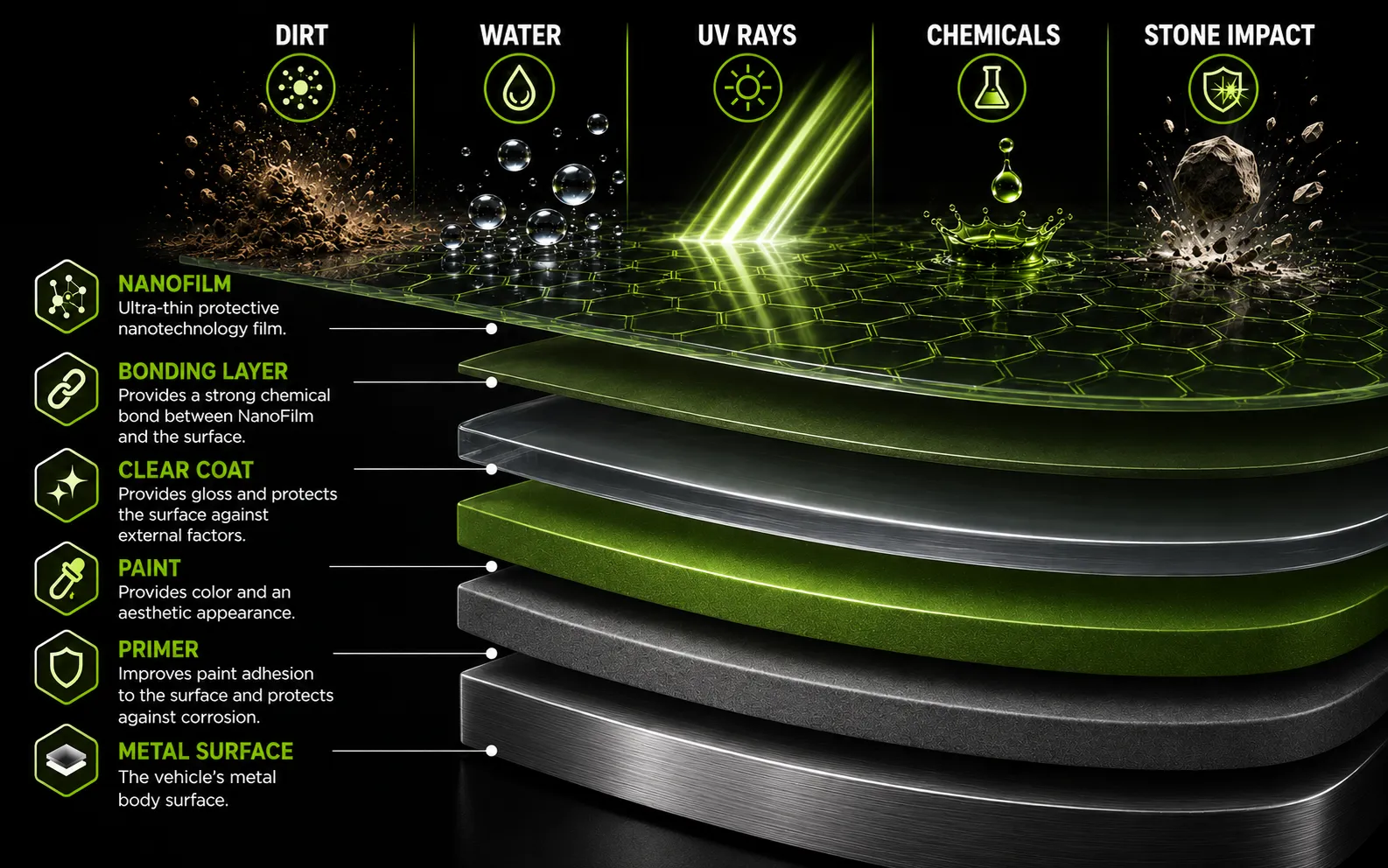
Engineered Functions, One Invisible Layer.
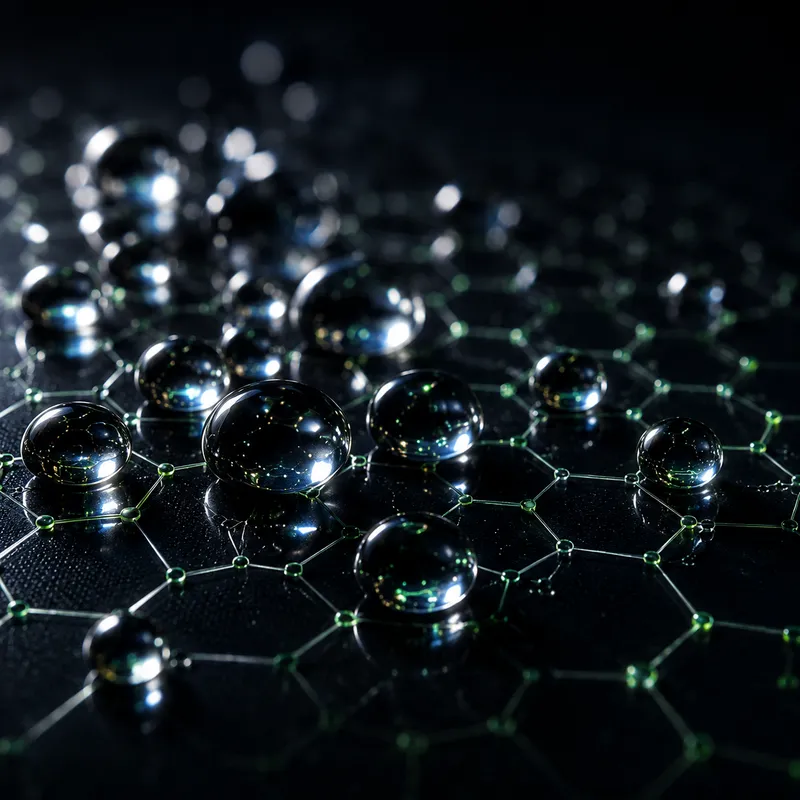
Hydrophobicity
Water beads up and rolls off instead of wetting the surface.
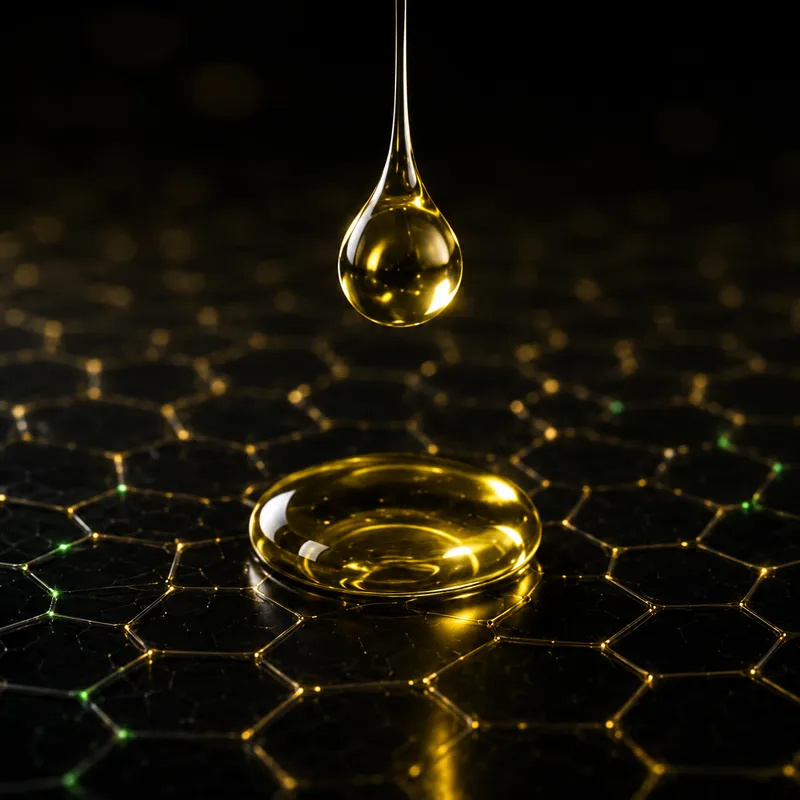
Oleophobicity
Oils and greasy contaminants cannot adhere to the surface.

UV Stability
Resists UV degradation, preventing fading and chalking over time.
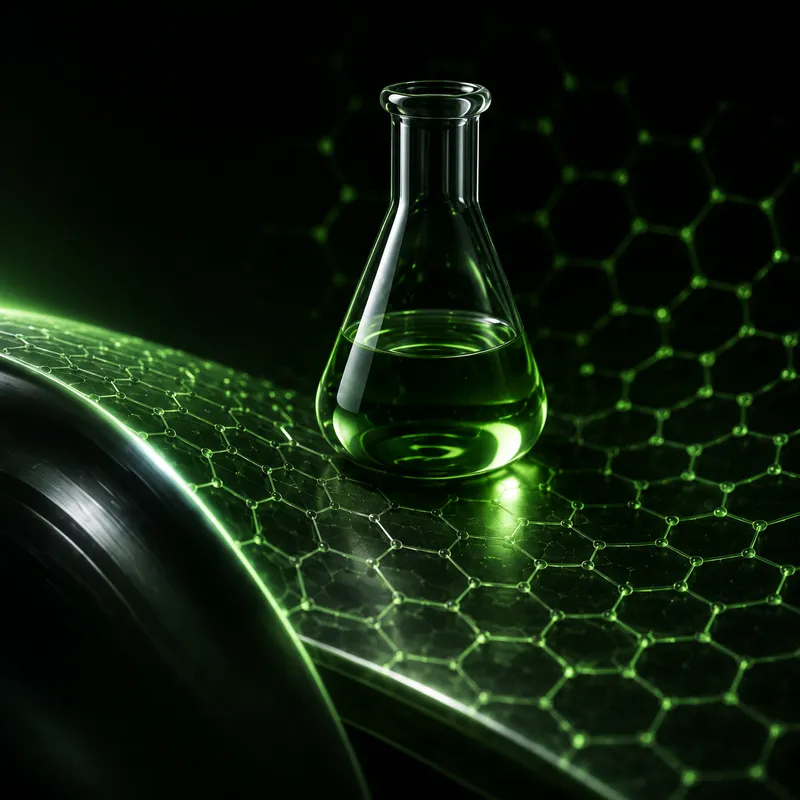
Chemical Resistance
Withstands acids, alkalis and harsh cleaning agents.
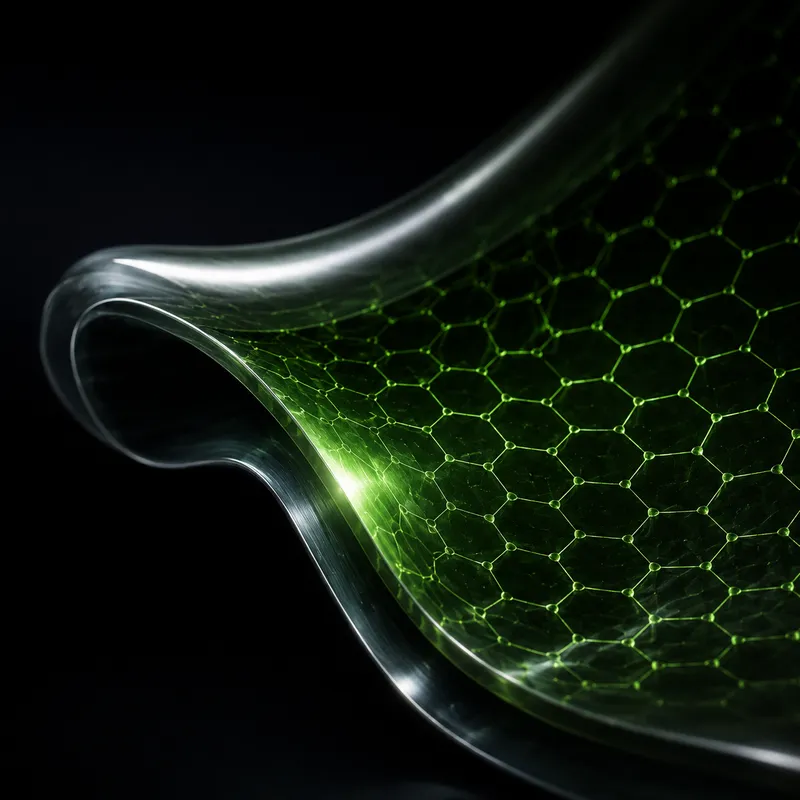
Elastomeric Structure
Flexible film that moves with the surface without cracking.
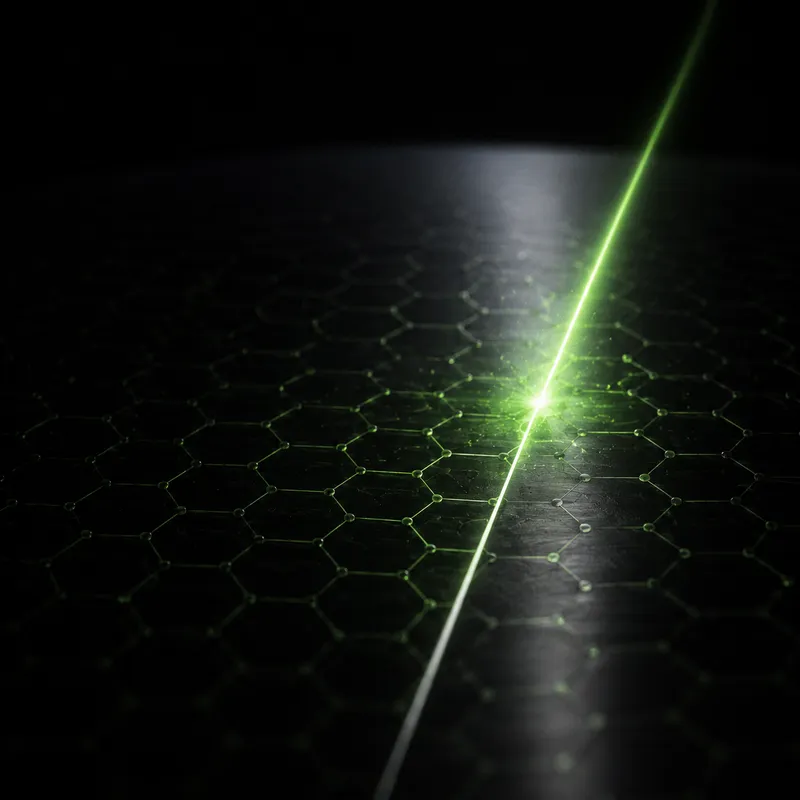
Self-Healing
Micro-scratches close on their own with mild heat.
One Platform, Every Surface.
Solar Solutions
Self-cleaning panel surfaces that preserve energy yield.
Frequently asked questions
Both repel water, but the degree differs. A hydrophobic surface has a water contact angle above 90°, while a superhydrophobic surface exceeds 150°, repelling water so strongly that droplets roll off almost instantly and carry away dirt; the self-cleaning lotus effect.
A nanotechnology coating is an ultra-thin protective layer engineered at the nanometer scale that changes how a surface interacts with water, light, chemicals and wear, delivering properties such as water repellency, self-cleaning, UV resistance and self-healing.
The water contact angle measures how a droplet sits on a surface. A low angle (below 90°) means the surface is hydrophilic and water spreads out; a high angle (above 90°, and especially above 150°) means the surface is hydrophobic or superhydrophobic and water beads up.
It Starts with Chemistry. It's Proven by Performance.
Discover the surface technology of the future. WetProof carries its deep expertise in advanced surface chemistry from the laboratory to the real world, delivering functional nanotechnology solutions.